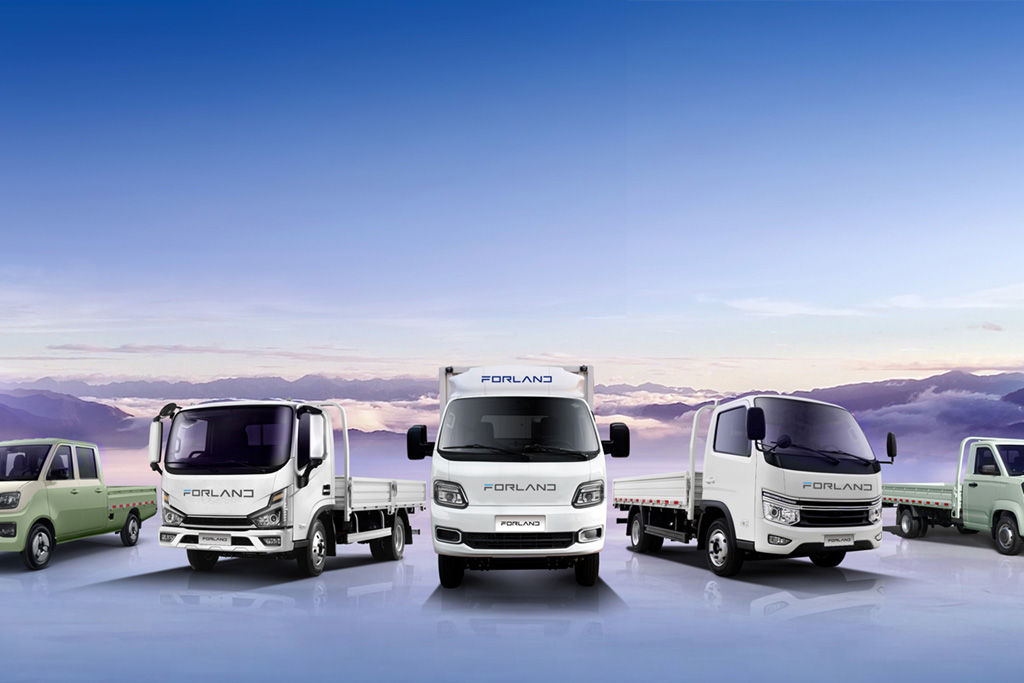
The Singapore government actively incentivises businesses to switch to electric commercial vehicles. Schemes like the Heavy Vehicle Zero Emissions Scheme and the CVES rebate act as an electric vehicle rebate that lowers your upfront cost, and the right commercial vehicle grant Singapore operators qualify for means your Forland EV could cost significantly less than you think.
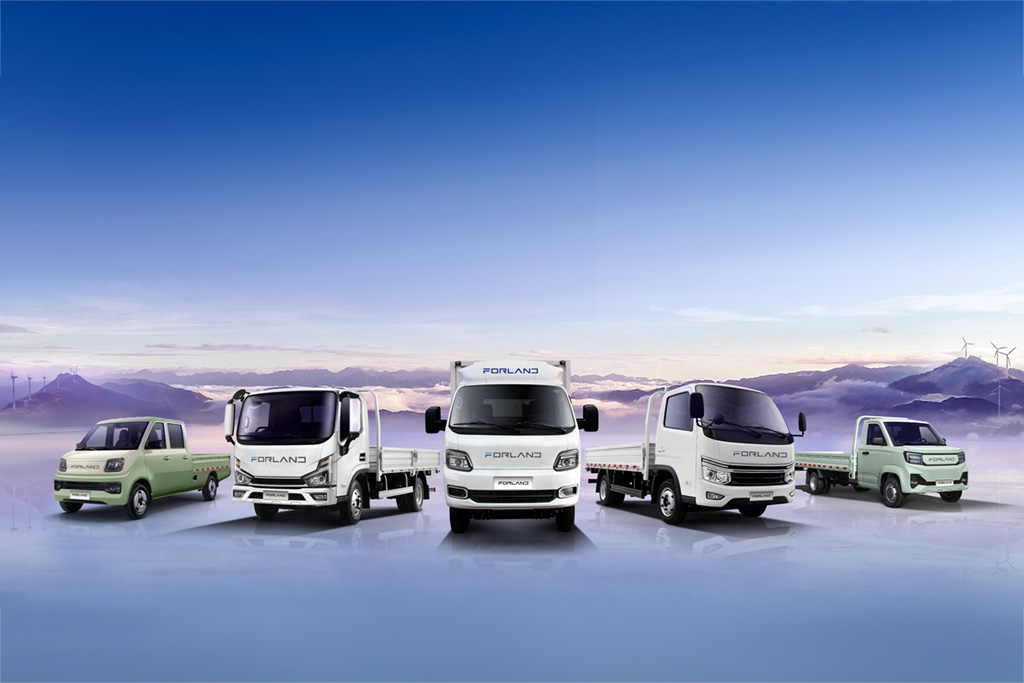
Many operators focus on sticker price. The smarter question is: what does this vehicle actually cost to run over its lifetime? Once grants and lower running costs are factored in, the total cost of ownership often lands lower than diesel over a few years of use.
Two things drive the savings: government incentives that reduce the purchase cost, and the day-to-day gap between electricity and diesel. Liannex Ecotech (LET) helps you quantify both for your specific routes before you decide.
The Heavy Vehicle Zero Emission Scheme, or HVZES, helps businesses reduce the upfront cost of switching from diesel heavy vehicles to zero-emission vehicles.
Eligible zero-emission heavy goods vehicles, buses and goods-cum-passenger vehicles with a Maximum Laden Weight above 3,500kg can receive a $15,000 incentive per vehicle.
The Commercial Vehicle Emissions Scheme, or CVES, supports businesses that choose cleaner light commercial vehicles.
Vehicles are grouped into emissions bands. Cleaner vehicles receive better incentives, while more pollutive vehicles may receive lower incentives or surcharges. CVES is generally more relevant for light commercial vehicles such as vans and smaller goods vehicles.
The Electric Heavy Vehicle Charger Grant, or EHVCG, helps businesses reduce the cost of installing chargers for electric heavy vehicles.
This is a charging infrastructure grant, separate from vehicle grants such as HVZES and CVES. It supports businesses that are purchasing electric heavy vehicles and need suitable charging at their place of business.
The right support depends on your vehicle type, weight category and charging needs.
As a simple guide, HVZES applies to eligible zero-emission heavy vehicles above 3,500kg MLW, while CVES applies to eligible light commercial vehicles. EHVCG may apply separately if your business is also installing chargers for electric heavy vehicles.
Each vehicle will generally fall under the relevant scheme for its category. Liannex can help you check which scheme applies and explain the estimated savings before registration.
When you factor in fuel savings, lower maintenance costs and government incentives, Forland EV trucks can save your business up to $110,000 over the life of the vehicle compared to a diesel equivalent.
Enter your fleet details and choose your preferred ownership period to calculate your estimated savings compared to running diesel.
Our team goes further than naming a scheme. We check which incentives your chosen Forland qualifies for, prepare a clear before-and-after-grant cost breakdown, and support the application so nothing is left on the table.
The grant amount depends on your vehicle category. Eligible heavier zero-emission vehicles may qualify for HVZES, while eligible light commercial vehicles may fall under CVES. Each vehicle will generally qualify under the relevant scheme for its category, not both at the same time. Beyond the grant, electric commercial vehicles can also help reduce long-term operating costs through lower energy use and simpler servicing compared to diesel vehicles.
CVES applies a registration rebate based on emissions banding, while the Heavy Vehicle Zero Emission Scheme provides cash rebates for retiring diesel heavy vehicles. We confirm which schemes apply to your chosen Forland.
Yes. LET will help you check the vehicle’s eligibility and explain which grant scheme applies based on the vehicle category. Since the incentive is applied at the point of vehicle registration, the rebate will be reflected directly in the final registration cost where applicable.
The grant amount is fixed based on the prevailing LTA regulations for each eligible vehicle category. LET will confirm the applicable scheme and rebate amount at the point of registration, so you have a clear understanding of the final vehicle cost.